
The Handmaid’s Tale
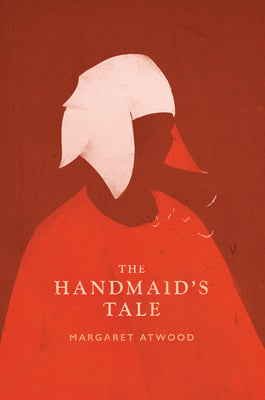
The Handmaid’s Tale
The Handmaid’s Tale imagines the Republic of Gilead, a totalitarian society formed in the aftermath of environmental collapse and political extremism. In this world, women’s rights have been stripped away, language is controlled, and fertile women—Handmaids—are forced into reproductive servitude.
Told through the voice of Offred, the novel explores power, bodily autonomy, faith, resistance, and survival under a system designed to erase identity. Atwood’s writing is restrained and precise, which only makes the horror sharper. Nothing here feels exaggerated. That’s the point.
This is a book that asks what happens when control is justified as protection and who pays the price.
Why it’s been banned
The Handmaid’s Tale has been frequently challenged for:
- Sexual content and references to sexual violence
- Strong language
- Criticism of religion and theocratic rule
- Themes of reproductive control and bodily autonomy
It is often banned for making readers uncomfortable with how easily rights can be removed.
Why we love it
- Because it names the danger of complacency.
- Because it centers women’s voices in systems designed to silence them.
- Because it reminds us that dystopias don’t appear overnight—they are built, slowly, with permission.
This book doesn’t tell you what to think. It asks you to pay attention.
Perfect for
Readers of dystopian fiction • banned books supporters • book clubs • readers interested in feminism, politics, and power • anyone who believes stories can function as resistance
Couldn't load pickup availability
Share